

The field of Sensory AI encompasses new concepts and developments where AI merges with human sensory capabilities to maximize customer’s experience of products and services. We are seeing a boom in advanced algorithms that are able to perceive, interact and respond in new ways to all human senses and in many types of industries. The global Sensory AI market was valued close to USD 15.6 billion in 2023 and is projected to reach USD 531.7 billion in 2033, with a CAGR of 43.6% in this period. This growth implies a great opportunity for the cosmetics industry. On the other hand, the global market size of the “AI and beauty” segment has seen a steep increase, generating a revenue of USD 2.7 billion in 2023, and an estimated CAGR of around 19.8% from 2024 to 2033, with an expected value of around 16.4 billion USD by 2033. This information gives us a glimpse into the future of endless possibilities for the beauty industry. Today’s cosmetics consumer wants to live new experiences framed by AI.
This consumer behavior is on the rise because ever since the COVID-19 pandemic, people got more and more involved in the digital world not only to connect and keep in touch with one another, given the restrictions worldwide, but also as a respite from being unable to interact in the real world. Harnessing the power of the digital era, the cosmetic industry quickly adapted and transformed, from make-up assistant for the visually impaired that was launched by cosmetic brands to SkinGPT, the GenAI tool developed by Haut.AI to simulate via image analysis how the consumer’s skin would change over time when using a specific cosmetic product.
The truth is that Artificial Intelligence is revolutionizing the sensory capabilities of humans and robots. In robots, this optimization occurs through computer vision, natural language processing. In recent months we have seen several robots on the market that can recognize objects and navigate complex environments autonomously thanks to the concept of spatial awareness.
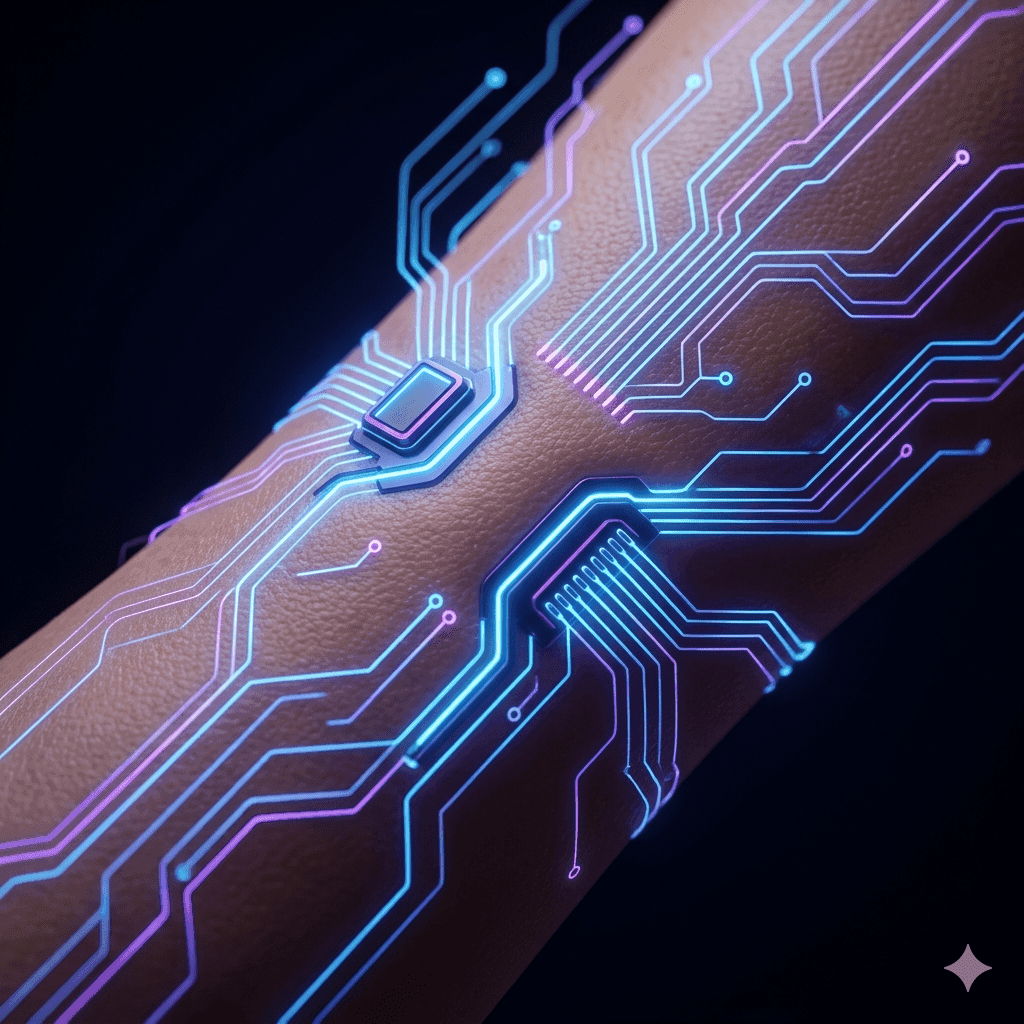
A recent publication by the storylab.ai portal indicates that AI is also improving the sensory capabilities of humans through prosthetic technology. Prostheses have been developed that can be controlled by the mind and can provide a more realistic sensation of touch. Cosmetic prosthetics will soon be a reality and will allow formulators new ways to design and develop products and sensory experiences.
Robometics: In medicine we have seen an impressive rise in robotic surgery systems that guarantee precision and minimally invasive procedures that promise not only automation but a transformative evolution in different areas. In cosmetics, we will see how precision robots will allow us to develop new routines and product applications in skincare. Precision cosmetics is emerging as one of the disciplines that we will see trending in the coming months. The development of surgical robotics for cosmetics is a reality that will allow more precise and less invasive cosmetic procedures to be performed.
The newspaper El País of Spain published an interesting article in January 2025 indicating that AI creates for the first time an experimental treatment for a disease forgotten by pharmaceutical companies, the objective is to democratize the discovery of therapies. AI in the near future will also make it possible to democratize advanced skincare treatments.
Haptic feedback systems: AI can be used to develop haptic feedback systems that can provide a more realistic sense of touch in virtual environments.
Digitization of the sense of smell: Artificial Intelligence is crossing new limits, achieving what until now did not seem possible, that a robot can “smell.” This was possible after a development by an emerging technology company called Osmo, founded by a former Google Research researcher, which, through artificial intelligence, managed to develop a map of odors, which were easily identifiable and based on their chemical structure generates new olfactory notes and/or aromas, offering consumers a more personalized sensory experience, revolutionizing the world of perfumery, cosmetics, hygiene and grooming industry.
Artificial intelligence is revolutionizing predictive modeling in sensory research in cosmetics. A famous cosmetic brand is working on a bio-printed skin that can “feel” through a 3D printing system which has properties like human skin and in conjunction with AI allows it to develop estimates of both effectiveness and sensory experience, opening the doors to formulate cosmetics that meet the expectations and demands of consumers more precisely.
The slogan of the V edition of the Congress of the Spanish Association of Sensory Analysis Professionals (AEPAS) was: ‘The measure of the immeasurable’, emphasizing the value that artificial intelligence represents in the field of sensory analysis, which has promoted the development of new technologies. In October 2024, the creation of an electronic tongue managed by artificial intelligence was introduced to the market, which has the ability to identify and classify flavors or notes so faint that humans are not able to detect. This development will complement the evaluation of the effectiveness of products that come into contact with lips and also the sensory evaluation of edible cosmetic formulations.
In 2025 we will begin to experience the era of hyper personalization with greater intensity, more and more brands are now launching apps and online services powered by AI technology to better assist and fulfill the customers’ needs, which will bring the sensorial experience to a new level, targeting the unique preferences and needs of the users, just to name two, a well-known cosmetic brand claims to give you a customized skin-care routine analyzing your skin and comparing it to the information of over 10 000 images of real people stored in their servers and another brand app launched, on December 2024, a new functionality of virtual hair styles and color try-ons. With the power of the AI, whenever a consumer has an issue with their skin or just wishes to know the general appearance of it, all they got to do is sign-in to their preferred app, and within minutes have a professional diagnosis on their skin with no appointment for the dermatologist, no driving to the clinic or waiting in line, and the best part: for free.
AI in beauty unveils a vast space for innovation on the field and pushes the boundaries of what cosmetic science can do to improve, not only the aesthetic appearance, but the holistic well-being of the consumer, to age in the best way possible. What will the future offer next? Maybe a skin-care routine that engages all senses at once using the AR as a powerful tool to deliver a luxurious experience or a custom robot that can do a “derma-session” to take care of your whole body in the comfort of your own living room.