
Maturity of Electronic Senses in Cosmetics

Euro Cosmetics ·

John Jimenéz
Research, Development and Innovation, Belcorp Colombia

Introduction

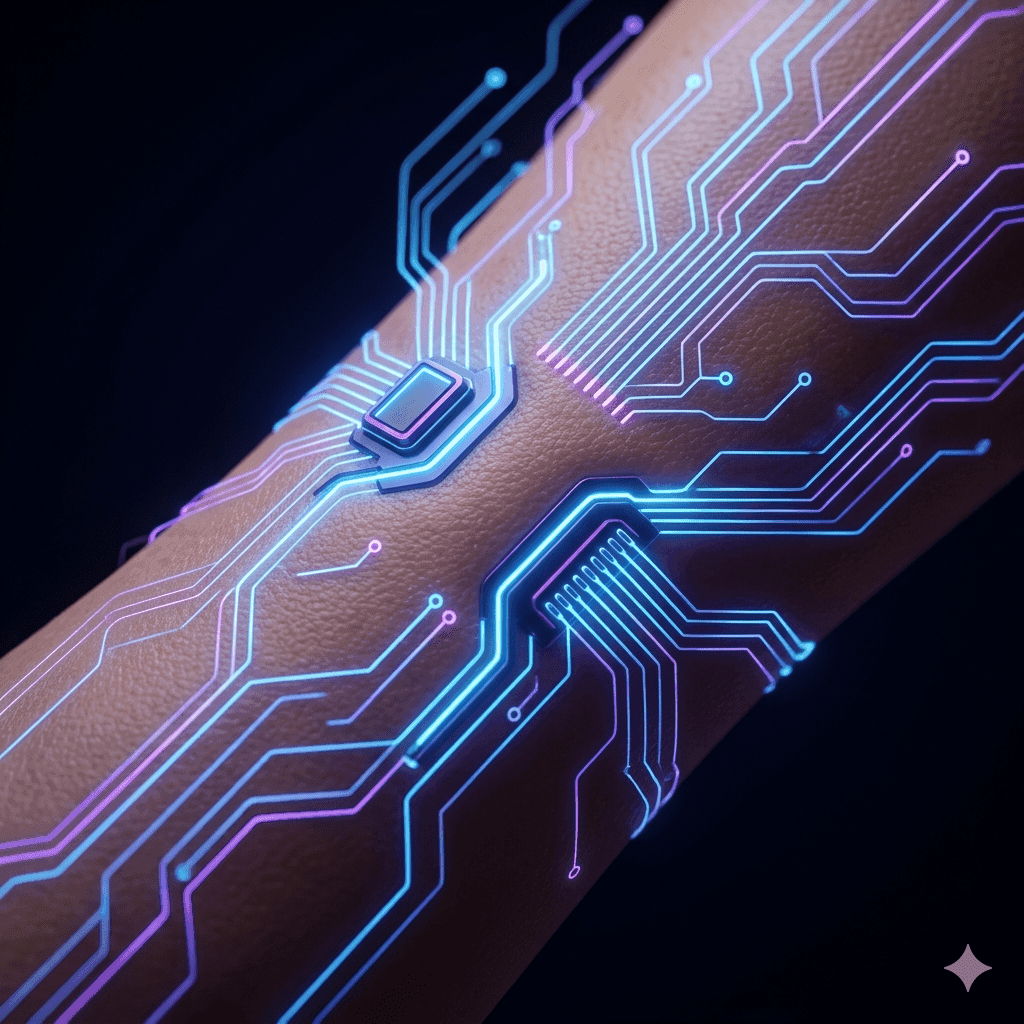
There was a time when beauty was essentially intuitive: consumers chose a product based on recommendations, texture, or promises. Then came the era of evidence-based dermocosmetics, with clinical instruments measuring hydration, elasticity, and pigmentation in controlled environments. Nowadys, consumers are entering a new stage: the maturity of electronic senses. Optical, biophysical, and environmental sensors, integrated with artificial intelligence, have left the laboratory and are now installed in our phones, smart mirrors, and home devices. Skin and hair are no longer just observed; they are quantified, modeled, and interpreted in real time. The next frontier is digital synesthesia: the ability to correlate human cues – visual, tactile, environmental, and even behavioral – to build a dynamic profile that evolves with us.

Electronic sensors are transforming the cosmetic experience by enabling the objective and quantifiable evaluation of skin and hair variables. By integrating optical and biophysical sensors with artificial intelligence algorithms, these technologies convert physiological signals into measurable parameters such as hydration, pigmentation, wrinkles, and hair damage. Based on this data, they generate personalized, evidence-based recommendations, optimizing the selection, combination, and frequency of use of cosmetic products. The new beauty is data-driven, where electronic perception is integrated into everyday life. Below, we’ll explore some novelties in this category.

E-tongues: The electronic tongue has been a great technological tool that has demonstrated an advance in the simulation of the sense of taste, initially used in the food industry to detect flavors or their state and in other fields to perform quality analysis, for example, in pharmaceutical and cosmetic products. A recent article reviewed in the National Library of Medicine describes the use of electronic tongues for flavor masking in the pharmaceutical industry, employing electrochemical, potentiometric, and voltammetric sensors. These technologies, combined with artificial intelligence tools, aim to optimize predictive models for developing more effective flavor-masking formulations, strengthening food safety, and evaluating environmental samples. Their purpose is to accelerate the development of new formulations, reduce costs and time associated with in vitro testing, improve analytical accuracy, and avoid human trials. This advancement also presents significant potential in the cosmetics sector, particularly for evaluating lipstick formulations using potentiometric sensors. Furthermore, its application is projected for skincare products, enabling the analysis of sensory profiles and the generation of predictive models of irritation.

On the other hand, one of the most recent advances in electronic tongues is the HITS (Hydrogel In-Tape Sensor) system, which employs impedance spectroscopy (EIS). This method measures the impedance of a system as a function of the frequency of an applied alternating current signal. This innovation allows for high-speed analysis of various foods and beverages, while also providing a significant environmental benefit thanks to the use of sustainable PET. In the cosmetics sector, this technology could be applied for sensory analysis testing of liquid and semi-liquid products, such as serums or moisturizers. It would also facilitate obtaining data on emollients or flavor profiles in lip products.

E-noses: Smart noses are systems designed to mimic the olfactory functions of the human nose, a critical organ for survival and interaction of the organism with its environment. Proposed by Persuad and Dodd in 1982, these devices were thought to be a reliable source of information in scenarios where human olfaction fails or is compromised, such as with odorless but potentially hazardous or deadly gases and low-concentration volatile organic compounds (VOC), which can be critically harmful to human health. E-noses typically consist of gas sensor arrays, which vary depending on the application (e.g., metal oxide semiconductor, optical or electrochemical sensor or field-effect transistor sensors), and a “brain” to process and analyze the signals, which is achieved using algorithms, that can be relatively simple or incredibly complex depending on the desired accuracy and reliability of the system. In the last few years there have been steep advances in the field, with applications ranging from Search and Rescue (SAR) operations in disaster zones to the detection of various types of cancer and even diagnosing and monitoring gastrointestinal conditions via ingestible capsule robots, with nano-sensors capable of sampling gases directly in the GI tract.

A new potential for the use of e-noses in the cosmetic industry is the assessment of skin and scalp health, with specialized sensors packed in convenient pocked-sized portable e-nose systems, that can measure well-known molecules involved in key skin processes. One good example is the change in the “skin volatilome”- a group of VOCs product of various metabolic processes, microbiome activity and other external factors – that can be a sign of oxidative stress. Through the quantification of know molecules (e.g., 2-nonenal, MDA, dimethyl sulfide, pentane, etc.) a correlation could be made to address the severity of oxidative stress and appropriate skin care routines can be suggested to the consumer to address the situation.

Similarly, e-noses can be developed to better understand and address scalp’s health: a high amount of propionic or butyric acid, or phenethyl alcohol could indicate the presence of Malassezia– a well-known disruptor of the microbiome balance-; and the presence of aldehydes like hexanal or heptanal can be correlated with inflammation and oxidative stress in the scalp. With this information at hand, proper solutions can be tailored to the consumer, giving them the tool to healthier lives and considerably increasing their well-being.

Digital phenotyping: Continuous, moment-by-moment quantification of the human phenotype at the individual level using data collected from digital devices such as smartphones, wearables, and sensors. This allows for the characterization of behaviors, physiological states, and personal characteristics based on digital patterns generated by the integration of multisensory data. In cosmetics, we are seeing a boom in new tools for skin diagnosis using mobile devices, where computer vision models estimate skin metrics such as hydration, texture, TEWL (Transient Ear Wound Level), and others from selfies. Digital precision is the new black.

Digital twins: This is a growing trend that many cosmetic brands are developing. The goal is to build a complete digital avatar of the skin that integrates longitudinal data and allows users to simulate the effects of treatments or routines before using them in real life, improving motivation and therefore results.

Artificial vision and phygital perfumes: The cosmetic industry is entering a new era driven by digital transformation. Augmented reality tools allow consumers to explore, feel, and connect with products more authentically before purchasing them. Meanwhile, the integration of artificial intelligence into immersive technologies, such as smart mirrors capable of analyzing skin in real time and offering personalized recommendations, provides accurate diagnoses and elevates the level of personalization, enriching every beauty experience. For immersive experiences to have a significant impact, it is essential that they engage the senses, with vision playing a key role in their creation. Computer vision relies on neural networks that, through image analysis, allow smart devices to interpret visual information and understand their surroundings using cameras, sensors, and advanced algorithms. In the beauty industry, one of the fastest-growing applications is virtual try-on tools, which allow consumers to visualize how different makeup products would look on their faces, offering a detailed and realistic preview before purchase.

While aromas remain a challenge to digitize, research is currently underway to integrate the sense of smell into immersive virtual reality experiences. For example, Muhammad Yildirim and his team incorporated olfactory stimuli into augmented reality headsets using a smart device to evaluate how these sensations influence virtual work environments, similar to how they would in the physical world. This type of advancement opens new possibilities in the fragrance industry, allowing for more realistic and sensory experiences for consumers and offering greater security and confidence when choosing a fragrance.

Senses and the future… We are experiencing a technological evolution that, until a few decades ago, existed only in the realm of science fiction. In Minority Report (2002), systems recognized individuals and modulated their environment based on their identity. In Her (2013), technology was capable of interpreting emotional nuances and responding with almost human sensitivity. What was then futuristic narrative is now materializing in computer vision skin diagnoses, augmented reality makeup simulations and skincare recommendations that integrate climate, lifestyle, and biometric data. The interface is no longer just visual; it is now multisensory and contextual. The new beauty is ceasing to be static and is becoming a continuous dialogue between biology and algorithm.