

Color has always been a valuable language in cosmetics: it defines identities, awakens emotions, and generates connections between brands and people. However, what lies ahead after 2026 will not be limited to the launch of new seasonal shades, but rather a deeper transformation, as science, branding, marketing, and new sensory profiles will focus on creating new experiences that will surprise consumers. Below, we’ll explore some of the most relevant trends in the fascinating world of color in cosmetics.
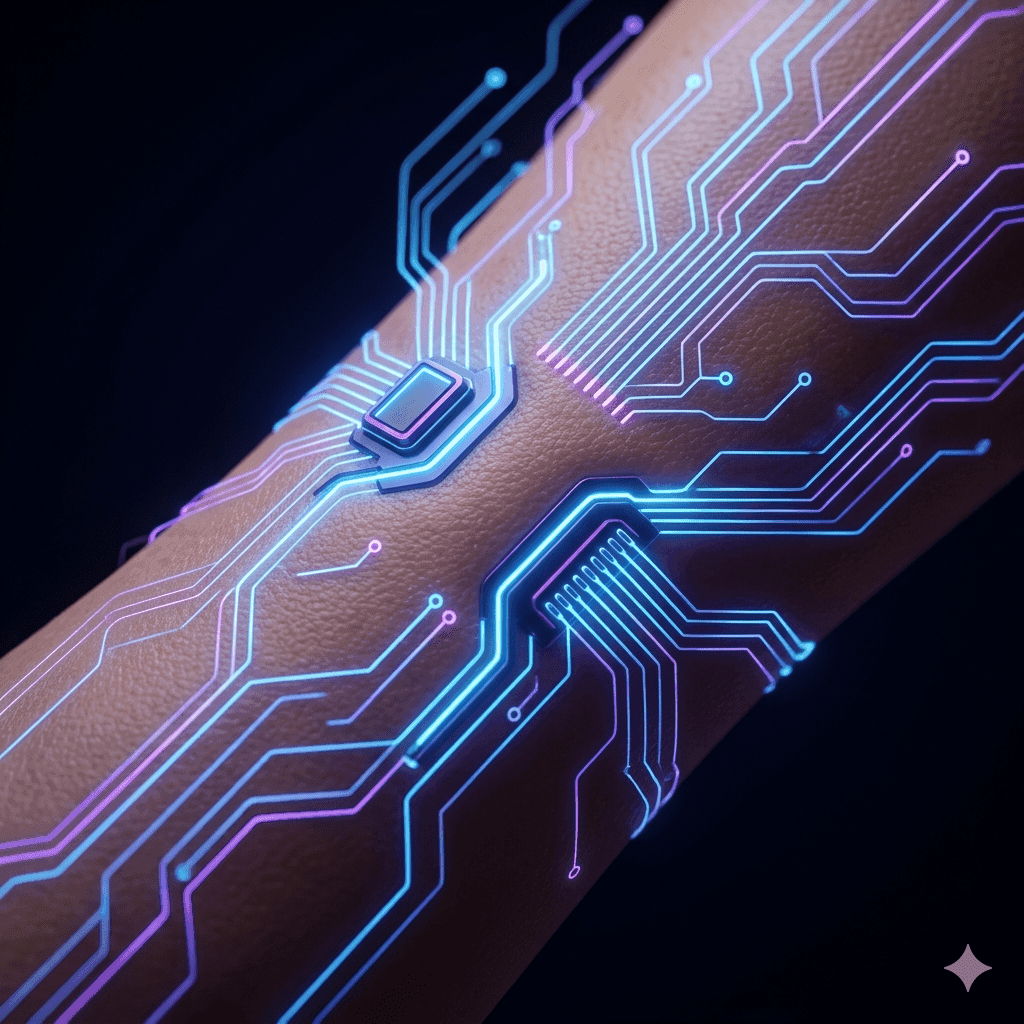
Augmented reality and digital palettes: Brands are creating “digital twins” of their products, where users can test how a shade fits their skin in real time in virtual environments, even under different lighting and settings. The line between the physical and the digital is beginning to blur.

Transformative Teal: Coloro, a leading color forecaster, has already announced it as the color of 2026. It combines a shade between green and blue that embodies stability amidst change. Its associated palette combines intense fuchsias, bright greens, and deep ambers with mints, pale pinks, and light blues, evoking a transition between serenity and intensity.
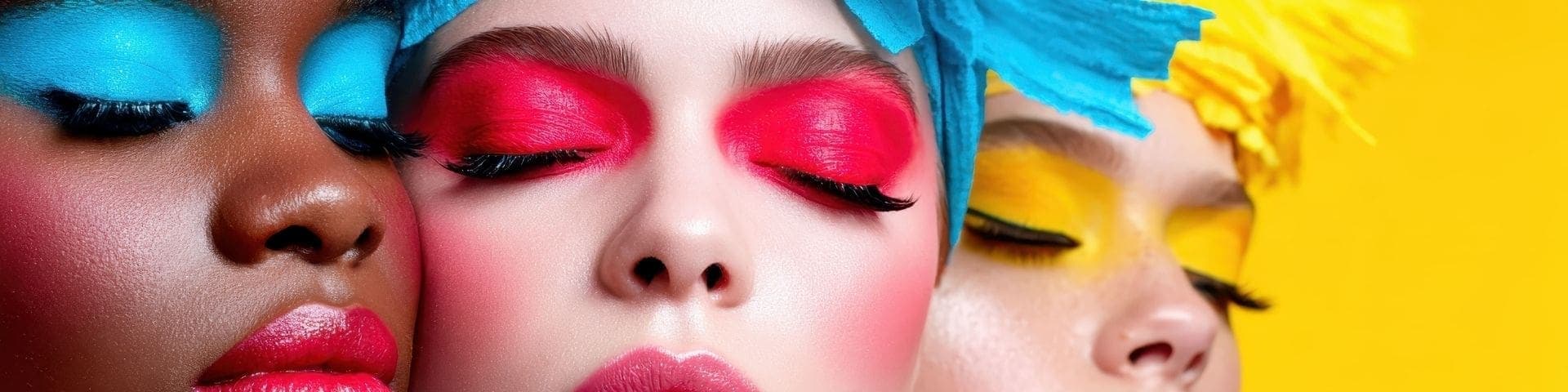
Cherry Girl: It’s the phenomenon of the moment. The cherry hue—intense, juicy, and sensual—has displaced other fruit colors, with searches on platforms like Pinterest increasing by more than 300%. Influencers like Nara Smith and global brands have already embraced this aesthetic, which combines the retro nostalgia of the 1950s with contemporary sensuality.
Color & Emotions: Color psychology adds a fascinating dimension to this chromatic journey. A review published in Frontiers in Psychology (2025) points out that colors do not act in isolation: their saturation, brightness, and hue are decisive in how they influence our emotions. Meanwhile, recent research in Psychology Today (2025) confirms that soft, light tones—such as pastel pink or serene greens—are associated with calmer emotions, while intense tones, such as cherry red or green, are associated with more energetic emotions.
In fact, a recent comparative study shows that emotional reactions to colors differ between men and women. Men tend to associate blue and green with calm and balance, while women tend to associate pink and yellow with feelings of happiness and affection. In contrast, both men and women associate black and red with more intense emotions such as sadness, anxiety, or anger. When used strategically, these two shades remain key allies in conveying sophistication, intensity, and power, especially in fragrances and luxury editions (Vijayalakshmi, Deepa, Akshitha & Sivasakthi Balan, 2025).
Cosmetic synesthesia – experiencing color: Sensory marketing will integrate multisensory experiences, such as powders that release fragrances associated with colors, lip glosses that can induce certain sounds when applied, and packaging that awakens memories through touch. Color will cease to be visual and become a complete experience.
Bioactive pigments that care for the skin: The future will bring hybrid ingredients. Pigments that not only provide color, but also act as antioxidants, natural sunscreens, and skin microbiome regulators. Makeup will become a treatment, and color will become a vector of health.
Light- and temperature-reactive colors: Materials science will apply photo- and thermo-reactive pigments in new formulation proposals. Lipsticks that change color based on body temperature or highlighters that transform in sunlight will create surprising and unique experiences for each user.
Radical inclusivity in the palette: Skin tone diversity will be embraced like never before. From foundations with hundreds of undertones to lipsticks that chemically adapt to individual pH. Color will no longer be restrictive and will become truly universal.
New sources: Consumers will demand pigments obtained through green processes: algae, bacteria, and agro-industrial waste will be sources for new shades. Color will not only be visible; it will also tell stories of ethics and sustainability.
Algorithmic Personalization: Artificial intelligence algorithms will propose palettes tailored to each person, considering skin tone, emotions, purchasing history, and even daily moods. Color will become a digital mirror of the self.
Chromatic interconnection: The palette of the future not only reflects emotions, it also symbolizes connections. By 2026, an aesthetic that intertwines the digital and the natural world will be consolidated: a luminous blue that represents our relationship with technology, accompanied by clay and meadow green tones that evoke our connection to the earth. This convergence creates a hybrid color language, where cosmetics become a bridge between innovation, nature, and culture.
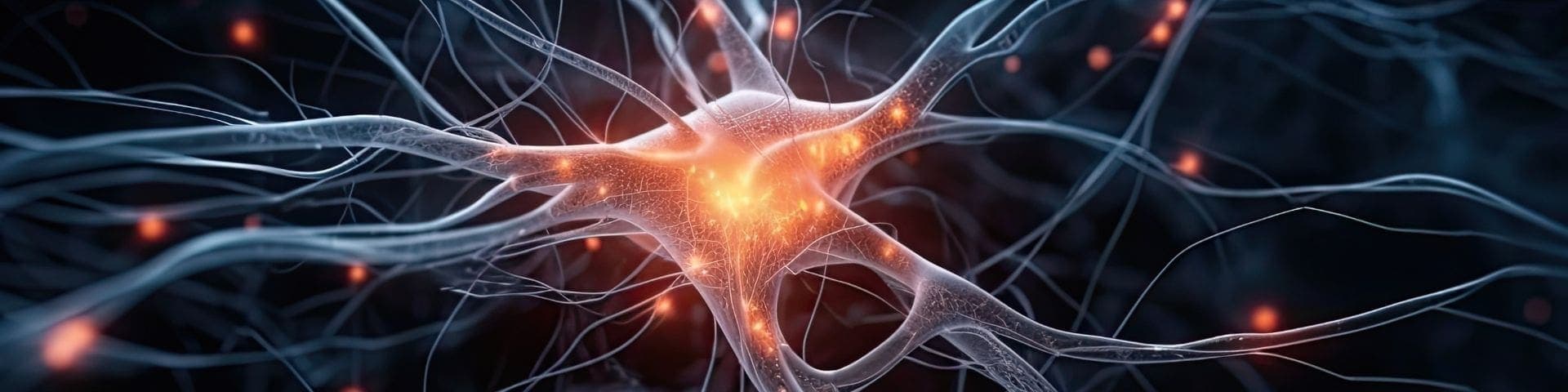
New developments in perception: A recent article published in the Journal of Neuroscience in 2025 on functional retinotopic architecture presents very interesting results. Using fMRI and cross-subject decoding, the study shows that spatial patterns of activity for specific colors are conserved across individuals, allowing one individual’s color to be predicted from data on others. This suggests shared “brain codes” for color across retinotopic visual areas, challenging the idea of strong individual idiosyncrasies. The authors mapped large-scale chromatic biases in early visual cortex and other areas and discuss implications for population representation models. For cosmetics, it strengthens the validity of comparable color perception protocols across diverse panels.
The color trends for the coming years represent something deeper than an aesthetic proposal: they are tools that will help us convey emotions like calm and energy in a hyperconnected world. They outline the future of beauty: a space where softness and strength, the digital and the organic, the intimate and the collective coexist in harmony with the colors that represent them.